Building Bridges
And Optimizing for Outcomes
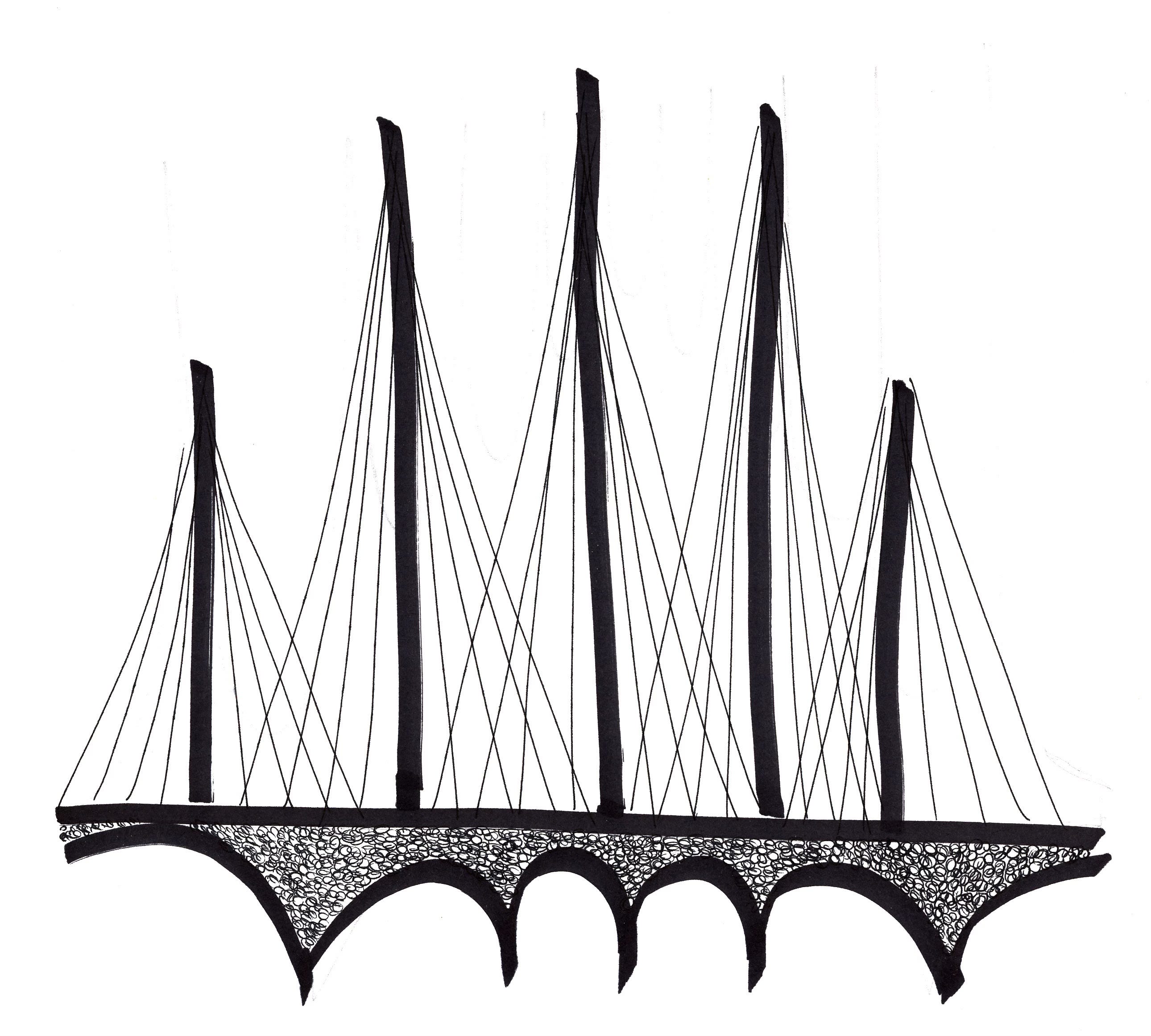
In the middle of a few debates over product metrics and UX strategies to move them I surprised myself by responding that “you don’t build a bridge to maximize the number of cars crossing it”. It happened a few more times and it kept feeling somehow random. The tension is familiar: without serious and sustained growth there won’t be much to worry about, and yet without values beyond immediate growth there is not much worth fighting for. But why go for bridges?
I have no particular obsession for bridges but they are infrastructures, so maybe that is why it came out of my mouth. Maybe I was anticipating I would use this in a presentation and I was foreshadowing the moment I could finally use one of the pointless Golden Gate Bridge photos I took over the years. Two birds with one stone.
The number of people crossing a bridge is of course important. If nobody crosses it you threw away a lot of money and ruined the landscape for nothing. If too many crosses it, it becomes a disaster of traffic, noise, and pollution. The daily/weekly/monthly active users of a bridge is a useful mechanical metric, you need it to plan things like maintenance, transit times, fares, etc. but it is not really the reason why you built it in the first place.
These metrics would also only give very limited bragging rights. You could drop the numbers at a dinner conversation but if you really want to make a lasting impression you would talk about the other values that bridge has generated. Time saved, safety, economic activity, property values, services increase on both sides of the bridge. Of course you also have negative metrics to consider and hopefully the net is positive.
Those are the reasons you want to build a bridge in the first place. You design it for the consequences it brings.
A bridge is why we should be thinking about products as infrastructures or functions that act as multipliers of the metrics we really care about and have a real impact on people. Is a communication platform just about its monthly active users, or is it infrastructure for collaboration, community building, or faster innovation? Is a navigation app just about routes planned, or the time saved, fuel conserved, and stress reduced?
Mechanical and immediate metrics are useful, but for what purpose? I understand this is not what we are taught and incentivized to do in most cases but maybe we have a distorted perception of the digital things we build. They might feel smaller, more ephemeral and less consequential than a bridge, but are they really?
If we remove the digital | physical divide projects in both realms become serious endeavors that require time, money, and commitment to the fact that they will bring changes and consequences to the world around them.
We might as well optimize for them.
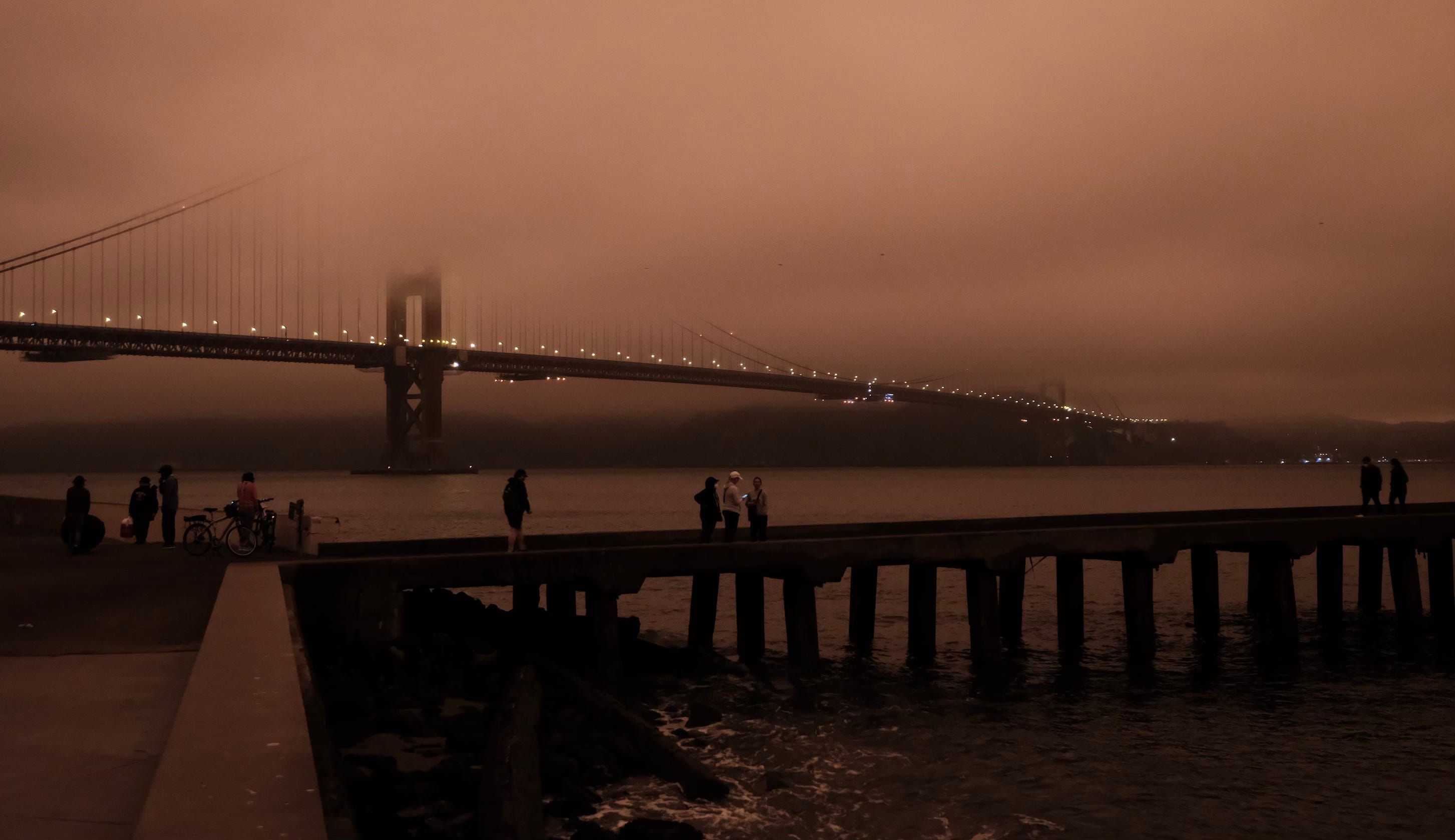
Since you are here and as a reminder that we are not in normal, happy, mindless times, here is the last photo I took of the Golden Gate Bridge before moving to NYC. It was around noon, during the 2020 wildfires. We need more infrastructures than products.